Understanding and Caring for Your Hair
Hair is not just a statement of style, but a complex biological structure. Comprehending the biology of hair growth, the science behind different hair types, and how to properly care for varying hair textures is essential for maintaining healthy hair. Here’s a detailed guide.
The Biology of Hair Growth
Hair growth occurs in three stages: anagen (growth phase), catagen (transitional phase), and telogen (resting phase). During the anagen phase, which can last several years, hair follicles are actively producing cells. This phase determines the length of your hair. The catagen phase is a short period where hair growth stops and the outer root sheath shrinks and attaches to the root of the hair. This is the preparation for the hair’s eventual shedding during the telogen phase, which lasts about three months. Understanding this cycle is crucial as disruptions in the cycle can lead to hair loss and health issues.
The Science Behind Hair Types
Hair types are largely determined by the shape of the follicle that grows them. Straight hair is grown from a round follicle, while oval and irregularly shaped follicles produce wavy and curly hair, respectively. This genetic blueprint not only influences the hair’s shape but also its texture and care needs. For instance, curly hair tends to be more prone to dryness because natural oils from the scalp travel slower down the twists and turns of the hair.
Caring for Different Hair Textures
Straight Hair: This type is often oily as sebum from the scalp easily works its way down the hair shaft. Frequent washing might be necessary to prevent the hair from looking greasy. Lightweight products that don’t weigh the hair down are recommended.
Wavy Hair: Wavy hair balances between dry and oily and usually benefits from a medium level of moisture. It’s prone to frizz, so using anti-frizz and smoothing serums can help maintain definition and control.
Curly Hair: Curly hair requires more moisture than other hair types. Deep conditioning treatments and natural emollients like shea butter or coconut oil can help maintain its health and prevent the strands from becoming brittle and frizzy. It’s best to avoid frequent washing to prevent drying out the hair.
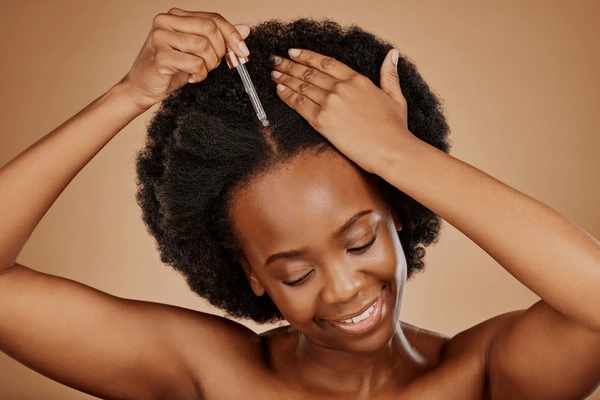
Coily Hair: This hair type is the most prone to dryness and breakage because it is tightly coiled, making it difficult for scalp oils to coat the entire hair shaft. Regular deep conditioning, using leave-in conditioners, and protective styles (like braids and twists) can prevent tangles and minimize breakage.
General Tips for All Hair Types
- Trim Regularly: Regular trims help prevent split ends and improve overall hair health, regardless of hair type.
- Eat a Balanced Diet: Hair health is also dependent on your nutritional status. Foods rich in iron, vitamin D, omega-3 acids, and protein support hair growth.
- Avoid Heat Styling: Excessive use of heat styling tools can damage the hair’s structure. Use protective sprays and opt for lower heat settings when necessary.
- Be Gentle: Avoid tight hairstyles that pull on the roots, such as high ponytails or cornrows, which can lead to hair loss.
By understanding the unique characteristics of your hair type and following these care tips, you can maintain vibrant and healthy hair. Each hair type has its distinct beauty and challenges, but the right knowledge and care can bring out the best in your hair’s natural texture.
