How to Transition to Solar or Wind Power
The transition to renewable energy sources such as solar and wind power is crucial for combating climate change, reducing greenhouse gas emissions, and ensuring a sustainable energy future. By harnessing the power of the sun and wind, individuals and communities can generate clean, renewable electricity while reducing their reliance on fossil fuels. Here’s a guide on how to make the transition to solar or wind power and embrace renewable energy in your home or business.
Understanding Renewable Energy Options
Solar Power
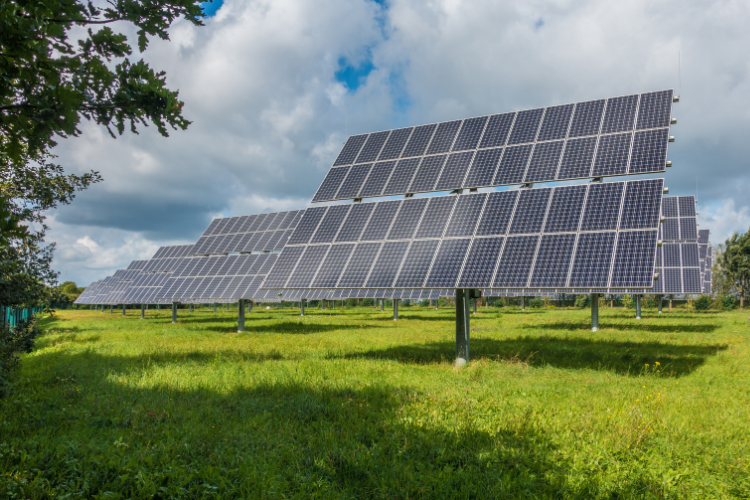
Solar power involves capturing sunlight using photovoltaic (PV) panels and converting it into electricity. Solar panels can be installed on rooftops, ground-mounted systems, or integrated into building facades.
Wind Power
Wind power utilizes wind turbines to convert kinetic energy from the wind into electrical power. Wind turbines can be installed on land or offshore in areas with consistent wind patterns.
Assessing Your Energy Needs
Energy Audit
Conduct an energy audit of your home or business to assess your current energy consumption and identify areas for improvement. Consider factors such as energy-efficient appliances, insulation, and lighting.
Determine Feasibility
Evaluate the feasibility of solar or wind power based on your location, available space, and local regulations. Consider factors such as sunlight exposure, wind speed, roof orientation, and shading.
Choosing the Right System
Solar PV System
Select the appropriate size and type of solar PV system based on your energy needs and budget. Options include grid-tied systems, off-grid systems with battery storage, and hybrid systems that combine solar with other energy sources.
Wind Turbine System
Choose the right size and style of wind turbine system for your property and energy requirements. Consider factors such as turbine height, rotor diameter, and tower type.
Financing and Incentives
Financial Assistance
Explore financing options such as loans, leases, or power purchase agreements (PPAs) to help cover the upfront costs of solar or wind installations. Many financial institutions offer green energy loans or incentives for renewable energy projects.
Government Incentives
Take advantage of government incentives, tax credits, and rebates available for solar and wind installations. These incentives can help offset the cost of equipment and installation and make renewable energy more affordable.
Installation and Maintenance
Professional Installation
Hire qualified professionals to design and install your solar or wind system. Ensure that installers are certified and experienced in renewable energy installations.
Regular Maintenance
Schedule regular maintenance and inspections for your solar or wind system to ensure optimal performance and longevity. Tasks may include cleaning panels, inspecting equipment, and monitoring energy production.
Monitoring and Optimization
Energy Monitoring
Monitor your solar or wind system’s performance using monitoring tools and software. Track energy production, consumption, and savings to identify opportunities for optimization.
System Optimization
Optimize your renewable energy system by adjusting settings, optimizing placement, or upgrading equipment as needed. Work with your installer to maximize energy production and efficiency.
Community Engagement
Share Your Experience
Share your experience transitioning to solar or wind power with friends, family, and neighbors. Encourage others to explore renewable energy options and share the benefits of clean, sustainable energy.
