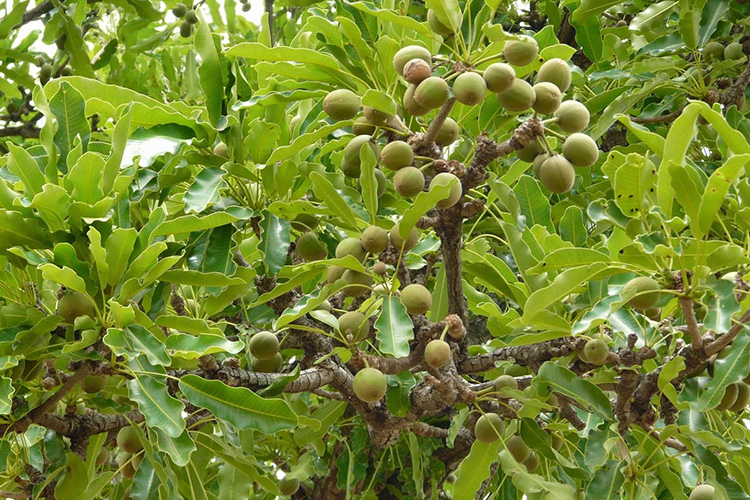
In the regions of Gulu and Kitgum in Northern Uganda, sustainable shea butter trade initiatives have significantly empowered local communities, especially women. These efforts are centered around women-led cooperatives that manage the production and sale of shea products. Here are some notable initiatives:
- Lira Integrated School Shea Nut Project – Located in Lira, this project involves school community members and local farmers in sheanut processing and has a cooperative model for selling shea butter.
- Kitgum Women’s Peace Initiative (KIWEPI) – This cooperative focuses on sheanut collection and processing among other agricultural activities. It empowers women in the Kitgum district through sustainable income-generating activities.
- Pader Women’s Multipurpose Cooperative Society – Operating in Pader, this cooperative engages in various agricultural activities, including sheanut processing, to support local women.
- Gulu Women’s Economic Development and Globalization (GWED-G) – Based in Gulu, this organization supports women in economic activities, including sheanut processing, to improve their livelihoods.
- Lamwo District Farmers Association (LADFA) – This cooperative in Lamwo, close to Kitgum, supports local farmers and includes activities related to sheanut processing.
- Women’s Global Empowerment Fund (WGEF) – This program provides women in Northern Uganda with microcredit loans, educational programs, and leadership development. While it covers various sectors, it supports agricultural ventures, including sheanut production, helping women to start and sustain their businesses.
- NUWODU (National Union of Women with Disabilities of Uganda) – While broader in its scope, NUWODU offers programs in Northern Uganda that empower women with disabilities, including those in rural areas engaged in agriculture and small-scale enterprises like sheanut processing.
- Isis-Women’s International Cross Cultural Exchange (Isis-WICCE) – This program conducts leadership training and provides support for women’s economic activities in Northern Uganda, fostering an environment where women can engage in income-generating activities such as sheanut production.
- Action for Women and Awakening in Rural Environment (AWARE-Uganda) – Located in Karamoja, which is close to Northern Uganda, AWARE focuses on empowering women through various initiatives, including agricultural production and the promotion of traditional livelihoods like sheanut processing.
Private sector initiatives have also focused on investing in the shea butter industry in Northern Uganda, aiming to enhance the production quality and market reach of local shea products. Here are some notable ones:
- Banyan Global – This international development consulting firm has been involved in initiatives that support shea butter processing and marketing in Uganda, including providing business development services to enhance local enterprises.
- Elephant Energy – While primarily focused on renewable energy, Elephant Energy has also engaged in economic development projects in Northern Uganda that support shea butter production among other community-based initiatives.
- Savannah Fruits Company – Although based in West Africa, Savannah Fruits Company has been active in supporting and sourcing shea butter from various African regions including Uganda. They work to connect local shea producers with international markets.
- Shea Radiance – An international cosmetic company that sources shea butter from women’s cooperatives across Africa, including Uganda. They focus on sustainable and ethical sourcing, improving the livelihoods of local shea producers.
- Lira Integrated School Project – While not a private company, this initiative has a business model that helps promote shea butter production. It involves local communities and schools in production and has partnered with private entities to enhance market reach.
Some organizations have focused on sustainable agricultural practices for shea butter harvesting in Northern Uganda. These groups not only improve the quality of shea products but also ensure the conservation of shea trees and the environment. Here are a few of them:
- Environmental Alert – This organization works on sustainable agricultural practices and environmental conservation in Uganda, including the sustainable harvesting of shea nuts.
- The Uganda Shea Network (USN) – A collaboration among various stakeholders in the shea butter industry, including NGOs, community groups, and government agencies, aiming to promote the sustainable development of the shea sector in Uganda.
- World Vision Uganda – Through its various agricultural and economic development programs, World Vision has initiatives that support sustainable agriculture, including the conservation of shea trees and promoting sustainable harvesting practices among local communities.
- Solidaridad Network – An international civil society organization that engages in sustainable supply chain development, including in the shea industry. They work on projects that improve agricultural practices and support smallholder farmers in sustainable harvesting methods.
- Conservation Efforts for Community Development (CECOD) – CECOD promotes environmental conservation and sustainable development practices, including sustainable shea nut harvesting in Northern Uganda
These organizations are pivotal in ensuring that the shea butter industry in Northern Uganda remains sustainable, benefiting both the environment and the local communities that rely on shea production for their livelihoods.
The initiatives involve local communities, particularly women, in the direct management of natural resources. By giving communities the tools and knowledge to manage shea tree resources sustainably, these programs ensure that shea butter production can continue to be a reliable source of income for future generations. This approach also includes educating the community on the environmental importance of shea trees, promoting reforestation, and preventing deforestation.
Programs have been developed to integrate more stages of the shea butter value chain within these communities, from harvesting and processing to marketing and sales. This integration allows the communities to capture more value from their products, reducing dependency on external processors and markets. Women, who are traditionally involved in shea butter production, benefit immensely from increased participation in these value-added activities.
These initiatives in Gulu and Kitgum exemplify how sustainable trade practices can uplift entire communities by providing economic opportunities, enhancing skills, and fostering environmental stewardship. By focusing on community empowerment and sustainable development, these projects help ensure that the shea butter trade remains a source of prosperity and sustainability for Northern Uganda.
