
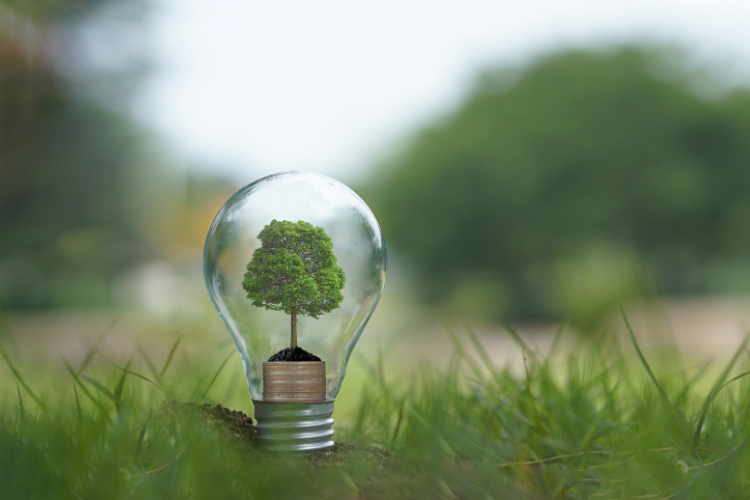
Reducing your carbon footprint through energy efficiency at home is a practical and impactful way to contribute to environmental sustainability. By making simple changes and adopting energy-efficient practices, you can significantly lower your energy consumption, save money on utility bills, and help protect the planet. Here’s how to make your home more energy-efficient.
1. Conduct an Energy Audit
Professional Audit:
- Hire a professional to conduct a comprehensive energy audit of your home. They can identify areas where energy is being wasted and recommend improvements.
DIY Audit:
- Perform a DIY energy audit using online guides and tools. Check for drafts, inspect insulation, and evaluate the efficiency of your heating and cooling systems.
2. Improve Insulation and Sealing
Insulate Walls and Attic:
- Proper insulation is crucial for maintaining a consistent indoor temperature. Insulate your attic, walls, and basement to reduce heat loss in the winter and heat gain in the summer.
Seal Windows and Doors:
- Use weatherstripping and caulk to seal gaps and cracks around windows and doors. This prevents drafts and keeps your home comfortable year-round.
Install Energy-Efficient Windows:
- Replace old, single-pane windows with double- or triple-pane windows. These windows have better insulation properties and can significantly reduce energy loss.
3. Upgrade Heating and Cooling Systems
Install a Programmable Thermostat:
- Programmable thermostats allow you to set temperature schedules, reducing energy use when you’re not home or during sleeping hours.
Regular Maintenance:
- Keep your heating, ventilation, and air conditioning (HVAC) systems well-maintained. Replace filters regularly and schedule annual check-ups to ensure optimal performance.
Consider Energy-Efficient HVAC:
- If your HVAC system is old, consider upgrading to a more energy-efficient model. Look for systems with high SEER (Seasonal Energy Efficiency Ratio) ratings.
4. Use Energy-Efficient Lighting
Switch to LED Bulbs:
- LED bulbs use up to 75% less energy than incandescent bulbs and last significantly longer. Replace all your light bulbs with LEDs to save energy and reduce replacement costs.
Utilize Natural Light:
- Maximize natural light by keeping windows clean and using light-colored interior paint. This reduces the need for artificial lighting during the day.
Install Dimmer Switches and Motion Sensors:
- Dimmer switches allow you to adjust the brightness of your lights, saving energy. Motion sensors automatically turn lights off when rooms are unoccupied.
5. Optimize Appliance Use
Energy-Efficient Appliances:
- Invest in ENERGY STAR-rated appliances, which meet strict energy efficiency guidelines set by the U.S. Environmental Protection Agency. These appliances use less energy and water.
Unplug Devices:
- Many devices consume energy even when turned off, a phenomenon known as phantom load. Unplug chargers, electronics, and small appliances when not in use, or use power strips to easily switch off multiple devices at once.
Efficient Use of Appliances:
- Use appliances efficiently by running full loads in dishwashers and washing machines, air-drying clothes, and cooking with lids on pots to retain heat.
6. Implement Water-Saving Measures
Low-Flow Fixtures:
- Install low-flow showerheads, faucets, and toilets to reduce water consumption. These fixtures maintain water pressure while using less water.
Fix Leaks:
- Repair leaky faucets and pipes promptly. A small drip can waste a significant amount of water over time.
Water Heater Settings:
- Set your water heater to 120°F (49°C) to save energy. Insulate the heater and hot water pipes to reduce heat loss.
7. Renewable Energy Options
Solar Panels:
- Consider installing solar panels to generate your own renewable energy. Many governments offer incentives and rebates for solar installations.
Wind Turbines:
- If you live in a suitable area, small wind turbines can be an effective way to produce renewable energy for your home.
Solar Water Heaters:
- Solar water heaters use the sun’s energy to heat your water, reducing reliance on traditional water heating methods.
8. Adopt Sustainable Habits
Smart Landscaping:
- Plant trees and shrubs strategically to provide shade in the summer and wind protection in the winter. This natural insulation can help reduce heating and cooling needs.
Energy-Efficient Habits:
- Encourage family members to adopt energy-saving habits, such as turning off lights when leaving a room, closing curtains at night, and using fans instead of air conditioning when possible.
Regular Monitoring:
- Keep track of your energy usage with smart meters or energy monitoring devices. This helps identify trends and areas for improvement.
