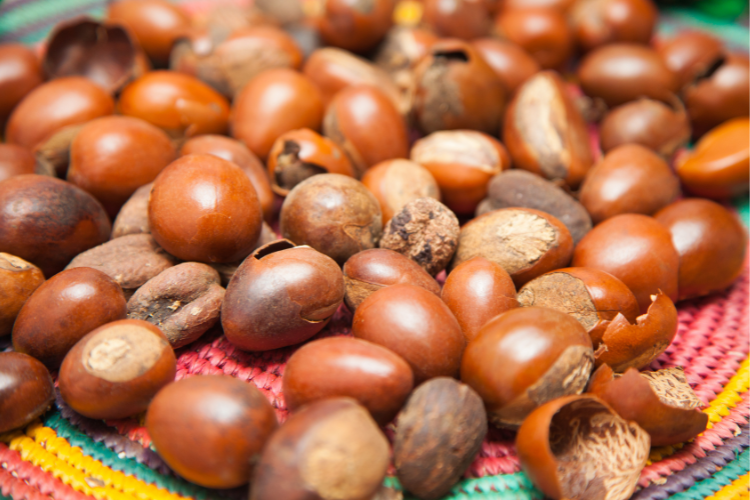
In regions like Northern Uganda, local communities have developed innovative shea butter processing methods that not only enhance the quality of the final product but also ensure environmental sustainability. These methods are pivotal in maintaining the ecological balance and providing high-quality shea products to the market. Here are some notable innovations:
Solar-Powered Processing Equipment
In an effort to reduce the carbon footprint associated with shea butter production, some communities have started using solar-powered equipment for processing. This includes solar-powered grinders and mixers that help in the extraction and refining of shea butter. Using solar power reduces reliance on non-renewable energy sources and minimizes environmental pollution.
Water-Efficient Techniques
Water management is crucial in processing shea butter, especially in arid regions. Innovative local processing methods include the use of water-efficient techniques that minimize water use. For instance, some communities recycle water during the washing phase of shea nut processing. This not only conserves water but also ensures that the limited water resources are used efficiently.
Eco-Friendly Packaging
After processing, packaging is another critical aspect of shea butter production. Locally sourced, biodegradable materials are increasingly being used to package shea butter. This method reduces the environmental impact associated with plastic and other non-degradable packaging materials. Materials such as plantain leaves, which are locally available, serve as excellent packaging options that are both sustainable and cost-effective.
Community-Based Fire Management
To prevent wildfires, which can be a significant risk especially during the dry season in savannah areas, communities engage in controlled burning practices. These controlled burns help manage underbrush and reduce the risk of uncontrolled fires, protecting the shea trees and other local flora. This practice not only helps in protecting the environment but also ensures the sustainability of shea butter production.
Organic Certification Processes
Organic certification is another step toward enhancing quality and ensuring environmentally friendly practices. By adhering to organic standards, producers eliminate the use of chemical pesticides and fertilizers in the cultivation of shea trees, which enhances the quality of the shea nuts and butter. Furthermore, organic certification appeals to global markets, where consumers are increasingly conscious of the environmental impact of the products they purchase.
These innovative methods underscore the commitment of local communities in Northern Uganda to sustainably manage their natural resources while improving the economic value of their products. Such practices not only help in maintaining the quality and competitiveness of shea butter on the global market but also ensure that the production process contributes to the ecological and social welfare of the region.
Challenges and Solutions:
Addressing Environmental Challenges:
The shea tree, including its subspecies such as the nilotica variety, faces multiple environmental challenges that are exacerbated by climate change. Here are some of the key issues and how local communities are adapting:
1. Climate Change Impacts
- Shifts in Rainfall Patterns: Shea trees are highly dependent on specific rainfall patterns. Changes in the onset of the rainy season and its distribution can stress the trees, affecting their growth and the timing and yield of shea nut harvests.
- Temperature Fluctuations: Increased temperatures can lead to higher rates of evapotranspiration, reducing available moisture for shea trees. Extreme temperature fluctuations can also affect flowering and fruiting cycles.
- Extended Drought Periods: Longer and more frequent droughts can severely impact shea trees, which rely on sufficient water during key growth periods. Drought stresses the tree, reducing its productivity and survival rate.
2. Deforestation and Land Use Changes
- Agricultural Expansion: The push for more agricultural land often leads to the cutting down of shea trees, which traditionally thrive in savannah and parkland ecosystems.
- Urbanization: As urban areas expand, the natural habitats of shea trees are reduced, limiting their natural regeneration and the biodiversity within these ecosystems.
3. Over-exploitation
- Over-harvesting: The economic value of shea butter leads to intensive harvesting of shea nuts, which can be unsustainable without proper management practices, potentially depleting local tree populations.
4. Pests and Diseases
- Increased Pest Incidences: With climate change, the prevalence and range of pests and diseases affecting the shea tree can increase, impacting overall health and productivity.
Community Adaptation Strategies
Local communities, often the primary stewards and beneficiaries of shea trees, are adopting various strategies to mitigate these challenges:
- Agroforestry Practices: Integrating shea trees within agricultural landscapes not only preserves these valuable species but also supports biodiversity, improves soil quality, and enhances resilience to climate impacts.
- Sustainable Harvesting Techniques: Training and community-led initiatives focus on sustainable harvesting methods that ensure the long-term viability of shea trees. This includes harvesting nuts only after they’ve naturally fallen to the ground, which also supports quality shea butter production.
- Reforestation and Conservation Programs: Communities, often supported by NGOs and government initiatives, are actively involved in planting new shea trees and engaging in conservation efforts to protect existing forests.
- Diversification of Income Sources: To reduce over-reliance on shea products, communities are diversifying their income through other agricultural products and crafts, spreading economic risk.
- Local and Global Market Access: Improving access to markets, both locally and internationally, helps communities gain better prices for shea products, encouraging sustainable practices and investment in conservation.
- Education and Empowerment Initiatives: Programs aimed at educating local communities, especially women who predominantly engage in shea butter processing, about the environmental impacts and management of shea resources are crucial. These programs often include leadership training and rights awareness.
These adaptation strategies not only help in mitigating the impact of environmental challenges on the shea tree but also support the resilience of local communities dependent on this resource.
Economic Sustainability:
The shea butter market presents both significant economic challenges and opportunities, particularly in the context of developing sustainable practices. The focus on sustainability can enhance market positioning and improve the livelihoods of those involved in the shea value chain.
Economic Challenges
- Market Access and Fair Pricing: Small-scale producers often struggle with accessing lucrative markets and are frequently at a disadvantage in negotiating fair prices. This is compounded by a lack of market information and bargaining power against larger buyers.
- Quality Consistency: High variability in shea butter quality can affect marketability and pricing. Producers need to adhere to stringent quality standards required by international markets, which can be difficult without proper training and equipment.
- Supply Chain Inefficiencies: The shea butter supply chain is often lengthy and complex, involving numerous intermediaries, which can reduce the profit margins for primary producers and lead to inefficiencies and increased costs.
- Competition: Shea butter competes with other natural oils and butters in the global market. Synthetic alternatives often offered at lower prices can also undercut natural shea butter, impacting demand.
- Climate Vulnerability: As previously discussed, climate change poses significant risks to shea production, affecting yield and quality, which in turn impact economic returns.
Economic Opportunities
- Growing Demand for Natural Products: There is a rising global demand for natural and organic cosmetic products. Shea butter is highly prized in this segment due to its moisturizing and healing properties, presenting a significant opportunity for growth.
- Premium Pricing for Certified Products: Products certified as organic, fair trade, or sustainably sourced can fetch premium prices in international markets. Certification not only improves market access but also helps in building a brand’s credibility and appeal.
- Value Addition Locally: By increasing local capacity to process raw shea nuts into finished butter—or even into final cosmetic products—communities can capture more value from their natural resources, thereby increasing local incomes.
- Empowerment Through Cooperatives: Formation of cooperatives can empower producers, particularly women, by pooling resources, sharing knowledge, and strengthening negotiating power. This can lead to better prices and more direct access to markets.
Sustainable Practices Leading to Better Market Positioning
- Traceability and Transparency: Implementing traceable supply chains that document sustainable practices can enhance brand trust and loyalty among consumers, particularly in Western markets where ethical sourcing is increasingly valued.
- Eco-friendly Packaging: Using sustainable packaging can enhance the appeal of shea products to environmentally conscious consumers.
- Community Engagement and Fair Trade Practices: Engaging in fair trade practices can not only ensure a fair share of the economic benefits to local communities but also promote long-term sustainability of shea resources.
- Innovative Practices: Utilizing innovative agricultural and processing techniques to increase yield, improve quality, and reduce environmental impact can position producers as leaders in sustainable natural product sourcing.
- Partnerships with NGOs and Governments: Collaborations can facilitate access to training, capital, and technology necessary to enhance both sustainability and market access.
Focusing on these sustainable practices not only addresses the economic challenges but also exploits the opportunities in the shea butter market, leading to improved livelihoods for local communities and better market positioning globally. This approach aligns economic gains with environmental and social stewardship, creating a resilient and sustainable shea economy.
Global Impact:
Contribution to Global Sustainability Goals:
Sustainable shea butter production is intrinsically linked to several global sustainability goals, including poverty reduction, gender equality, and the maintenance of sustainable ecosystems. By adopting and promoting sustainable practices in shea production, the industry can contribute significantly to these broader objectives.
1. Poverty Reduction
- Economic Empowerment: Shea butter production is a critical source of income for many rural communities in Africa, particularly in the Sahel region. By ensuring fair trade and sustainable practices, producers can secure better prices and more stable income, directly reducing poverty.
- Job Creation: Sustainable shea production encourages the development of local processing facilities which create jobs and reduce the need for migration to urban areas. This can have a stabilizing effect on rural economies.
- Community Development: Profits from sustainably produced shea butter can be reinvested into community development projects such as schools, healthcare facilities, and clean water projects, further contributing to poverty alleviation.
2. Gender Equality
- Empowering Women: Shea butter production is predominantly carried out by women, providing them with financial independence and a significant role in the economic decision-making of their households and communities. Empowering women through equitable access to resources, training, and profits helps challenge and change gender norms.
- Leadership Roles: Women often organize themselves into cooperatives to produce and market shea butter. These cooperatives not only improve their bargaining power but also serve as platforms for leadership development among women, promoting gender equality in community governance.
3. Sustainable Ecosystems
- Agroforestry Practices: Shea trees are typically part of complex agroforestry systems, which enhance biodiversity, improve soil quality, and reduce land degradation. Sustainable shea butter production encourages the preservation of these trees, which are often removed in the process of land clearing for agriculture.
- Carbon Sequestration: By maintaining and expanding shea parklands, carbon is sequestered in the trees, helping to mitigate climate change impacts.
- Sustainable Land Management: Sustainable harvesting and land management practices ensure that the ecological balance is maintained, preserving habitats for a wide range of plant and animal species.
4. Global Partnerships for Sustainable Development
- International Collaboration: The global nature of the shea butter market means that sustainability in production has implications beyond local or national borders. Partnerships between producers, NGOs, governments, and international buyers can foster the exchange of knowledge and resources necessary to enhance sustainability.
- Certification and Standards: Adhering to international sustainability standards and obtaining certifications (such as organic or fair trade) not only improve market access but also ensure that production methods meet global environmental and social standards.
Sustainable shea butter production is a model example of how localized, sustainable agricultural practices can have a profound impact on global sustainability goals. It encapsulates how environmental stewardship can go hand-in-hand with economic and social benefits, particularly in marginalized and rural communities. Through conscious efforts in sustainability, the shea industry not only protects and nurtures its immediate environment but also contributes to global efforts towards a more equitable and sustainable world.
Partnerships and International Support:
International partnerships and support mechanisms play a crucial role in amplifying the impact of local sustainability efforts in the shea sector. These collaborations often provide essential resources, expertise, and market access needed to promote sustainable practices and enhance the overall socio-economic benefits. Here are some key types of partnerships and mechanisms that support the shea industry:
1. Development Agencies and NGOs
Organizations such as USAID, the United Nations Development Programme (UNDP), and various non-governmental organizations (NGOs) actively support the shea sector through funding, capacity building, and technical assistance. These entities help establish sustainable practices, improve shea processing technologies, and ensure that shea production contributes to local development goals. For example, the USAID-funded West Africa Trade and Investment Hub has provided significant support to shea cooperatives to increase production capacity and market access.
2. Fair Trade and Organic Certification Bodies
Certification bodies like Fair Trade International and the USDA Organic Program offer guidelines and certifications that promote sustainable, ethical, and organic farming practices. Obtaining these certifications can help shea butter producers access premium markets and ensure that workers are paid fair wages, thus directly contributing to local economic development and environmental sustainability.
3. Public-Private Partnerships
Collaborations between governments, private companies, and local communities can lead to more sustainable shea production practices. Companies in the cosmetics and food industries, such as L’Oréal and The Body Shop, partner with local shea producers to source sustainably produced shea butter. These partnerships often include support for community development projects and initiatives aimed at improving production practices and environmental conservation.
4. Academic and Research Institutions
Universities and research centers collaborate with shea producers to conduct research on improving shea tree yields, pest management, and the impacts of climate change on shea ecosystems. These studies help in developing more effective and sustainable production techniques that can be adopted by local farmers and cooperatives.
5. International Market Access Programs
Programs designed to facilitate access to international markets are crucial for the economic viability of sustainable shea production. These programs often include trade shows, export training programs, and direct linkages with overseas buyers. For instance, the Global Shea Alliance promotes shea globally and works to improve the supply chain efficiency from Africa to international markets.
6. Technology Transfer Initiatives
Technology transfer is vital for improving the efficiency and sustainability of shea processing. International partnerships can provide access to better equipment and processing techniques, reducing waste and improving the quality of the final product. These technologies often include better storage facilities, energy-efficient processing units, and improved harvesting tools.
7. Climate Adaptation and Resilience Building
International climate funds and initiatives, such as the Green Climate Fund, support projects that help shea-producing communities adapt to climate variability. These projects may include planting drought-resistant shea tree varieties, water conservation methods, and education on sustainable land management practices.
International partnerships and support mechanisms are indispensable for enhancing the sustainability of the shea sector. They not only provide necessary resources and knowledge but also create a bridge between local producers and global markets. By continuing to foster these relationships, the shea industry can sustain its growth trajectory while contributing positively to environmental conservation and community development.
Future Prospects:
Research and Development:
Research and development in the shea sector are pivotal for improving both the yields and quality of shea butter using sustainable methods. These efforts are often collaborative, involving a range of stakeholders including academic institutions, private companies, local communities, and international organizations. Here are some of the key areas of ongoing research and development:
1. Genetic Improvement and Agroforestry
Researchers are focusing on the genetic improvement of shea trees to enhance yield and resistance to diseases and pests. This involves selecting and breeding varieties that can tolerate drought and other stresses better, which is particularly important in the face of climate change. Additionally, studies are exploring the optimal integration of shea trees in agroforestry systems to improve biodiversity, soil quality, and overall ecosystem health, which in turn supports the sustainability and productivity of shea trees.
2. Pest and Disease Management
Significant research is directed towards understanding the pests and diseases that affect shea trees. This includes developing biological and environmentally friendly chemical treatment methods to manage these threats without harming the ecosystem. For example, the use of natural predators or pheromone traps to control pests that attack shea trees can reduce reliance on synthetic pesticides.
3. Post-Harvest Processing Technologies
Improving post-harvest processes can significantly enhance the quality of shea butter. Research is being conducted on better storage solutions to reduce losses due to poor conditions, which affect the fat content and quality of shea nuts. Innovations in processing technologies that use less energy and conserve more nutrients in the shea butter are also a focus. These technologies aim to make the extraction process more efficient and environmentally friendly.
4. Climate Adaptation Strategies
With the growing impact of climate change, research into adaptation strategies for shea production is crucial. This includes developing irrigation and water management techniques that can help shea trees survive in dryer conditions and studying how changes in climate affect the phenology of shea trees, such as the timing of flowering and fruiting.
5. Socio-Economic Studies
Understanding the socio-economic impact of shea production on local communities is essential for developing policies and practices that support sustainable development. Research in this area includes the study of economic models that maximize profits for local farmers while maintaining or improving environmental standards. It also involves gender studies to ensure that improvements in the shea sector benefit all members of the community, particularly women, who are primarily involved in shea butter processing.
6. Collaborations and Knowledge Sharing
International and cross-sector collaborations are key to driving innovation in the shea sector. Partnerships between universities, government agencies, non-profits, and the private sector help facilitate the sharing of knowledge and resources. These collaborations often result in the development of new methodologies and technologies that are disseminated through workshops, training sessions, and publications.
7. Sustainability Certifications and Standards
Research is also being conducted on the impact of sustainability certifications on both market access and environmental conservation. This involves developing and refining certification standards that accurately reflect sustainable practices and provide real benefits to producers.
The ongoing research and development in the shea sector are comprehensive, covering ecological, technological, and socio-economic aspects. These efforts are critical for ensuring the long-term sustainability of shea butter production and enhancing the livelihoods of those dependent on this valuable resource. By continuing to invest in and support these research endeavors, the global community can help secure a more sustainable and prosperous future for the shea industry.
Scaling Up Sustainable Practices:
Scaling up successful local practices in the shea sector to national or regional levels involves strategic planning, resource mobilization, and cooperation among various stakeholders. Here are some potential strategies to effectively scale these practices:
1. Documentation and Assessment of Local Practices
- Systematic Documentation: Systematic documentation of successful local practices. This includes detailed descriptions of the methodologies, tools, and resources used, as well as the outcomes.
- Impact Assessment: Conducting thorough assessments to understand the impact of these practices, including their economic, social, and environmental benefits. This helps to identify which practices are most effective and scalable.
2. Stakeholder Engagement
- Involvement of Local Communities: Ensuring that the local communities are involved in the scaling process. Their firsthand experience and knowledge are invaluable in adapting practices to new contexts.
- Public-Private Partnerships: Forging partnerships between governments, private sector entities, NGOs, and community groups. These collaborations can provide the necessary financial and technical support for scaling efforts.
- Policy Advocacy: Working with policymakers to create supportive policies and incentives that encourage the adoption of successful practices on a larger scale.
3. Capacity Building and Training
- Training Programs: Developing and delivering training programs tailored to farmers, cooperatives, and local entrepreneurs. These programs should focus on the specific practices that are being scaled up and address both technical and management aspects.
- Resource Allocation: Ensuring that there are sufficient resources, such as tools, materials, and finance, available to support the expanded implementation of successful practices.
4. Technological Support
- Technology Transfer: Facilitating the transfer of technology that has been proven to enhance the productivity and sustainability of shea practices. This can include new processing equipment, irrigation technologies, or digital tools for market access.
- Innovation Incubation: Supporting innovation through research and development initiatives that aim to improve upon existing practices or develop new ones that are more efficient and environmentally friendly.
5. Financial Mechanisms
- Access to Finance: Improving access to finance by connecting local producers and cooperatives with microfinance institutions, banks, and grant programs that can provide the capital needed to scale up operations.
- Investment Attraction: Attracting investment by showcasing the economic and social benefits of successful practices. This can be done through case studies, impact reports, and public demonstrations.
6. Marketing and Branding
- Enhanced Marketing Strategies: Developing strong marketing strategies that highlight the unique aspects of the shea products produced using the scaled-up practices. This could include branding around sustainability and ethical production.
- Market Expansion: Exploring new markets, both domestically and internationally, to increase the demand for products derived from scaled-up practices.
7. Monitoring, Evaluation, and Continuous Improvement
- Regular Monitoring and Evaluation: Implementing systems to monitor and evaluate the effectiveness of the scaling efforts. This should include feedback mechanisms that allow for continuous improvement of the practices based on real-world performance.
- Adaptation and Flexibility: Preparation to adapt and modify practices as they are scaled up, taking into account different environmental, social, and economic contexts.
Scaling up successful local practices requires a holistic approach that encompasses assessment, stakeholder engagement, capacity building, technological support, financial mechanisms, and robust marketing strategies. By carefully planning and implementing these strategies, the shea sector can achieve significant growth and sustainability at national and regional levels.
