How Vitellaria paradoxa nilotica Cultivation Empowers Rural Communities and Supports Sustainable Development Goals
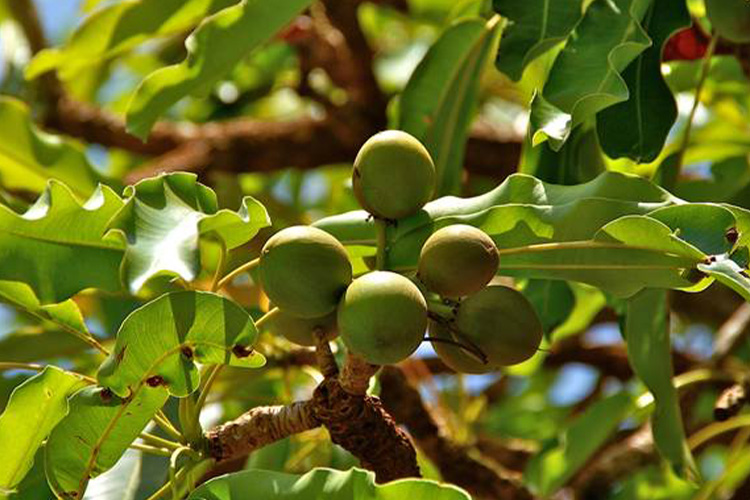
In the heart of the African savannas, a remarkable tree species known as Vitellaria paradoxa thrives, offering more than just shade and shelter to rural communities. Join us as we explore how the cultivation of Vitellaria paradoxa nilotica, a unique variety of shea tree, is not only transforming landscapes but also changing lives in rural Africa while contributing to the achievement of sustainable development goals.
The Significance of Vitellaria paradoxa nilotica: Vitellaria paradoxa nilotica, commonly referred to as Nile shea butter, is renowned for its superior quality and luxurious texture. Derived from the nuts of shea trees growing along the Nile River in Sudan and Uganda, this premium variety of shea butter is prized for its exceptional moisturizing and healing properties, making it a sought-after ingredient in skincare and haircare formulations worldwide.
Empowering Rural Communities: One of the most significant impacts of Vitellaria paradoxa nilotica cultivation is its contribution to rural livelihoods and community empowerment. Across the African savannas, women play a central role in shea butter production, from harvesting and processing the nuts to crafting the final product. By engaging in shea butter production, women gain economic independence, access to education and healthcare, and opportunities for leadership and entrepreneurship. Moreover, the income generated from shea butter sales supports entire families and communities, driving economic growth and social development in rural areas.
Promoting Sustainable Land Use Practices: In addition to its socio-economic benefits, Vitellaria paradoxa nilotica cultivation promotes sustainable land use practices that benefit both people and the environment. Shea trees are traditionally managed through agroforestry systems, where they coexist with other crops and vegetation, enriching the soil, conserving water, and enhancing biodiversity. By integrating shea tree cultivation into agricultural landscapes, farmers can improve soil fertility, mitigate climate change, and enhance ecosystem resilience, contributing to the long-term sustainability of their land and livelihoods.
Supporting Sustainable Development Goals: The cultivation of Vitellaria paradoxa nilotica aligns closely with several sustainable development goals (SDGs) outlined by the United Nations. By empowering women, promoting inclusive economic growth, and fostering environmental stewardship, shea butter production contributes to goals such as gender equality, poverty alleviation, and sustainable land use. Furthermore, shea butter value chains offer opportunities for partnerships and collaborations that advance other SDGs, including quality education, good health and well-being, and partnerships for the goals.
