
A Beginner’s Guide to Urban Gardening
Urban gardening is an empowering and sustainable way to grow your own food, even in the smallest of spaces. Whether you have a balcony, rooftop, or just a sunny windowsill, you can cultivate a thriving garden that provides fresh, healthy produce year-round. Here’s a comprehensive guide to help you get started with urban gardening.
Assess Your Space
Identify Available Space
Consider the available space in your urban environment. Utilize balconies, patios, rooftops, windowsills, or even vertical gardens to maximize your growing area.
Evaluate Sunlight
Observe how much sunlight different areas receive throughout the day. Most vegetables and herbs require at least 6-8 hours of sunlight daily. Choose your plants accordingly based on the available light.
Choose Your Plants
Start Simple
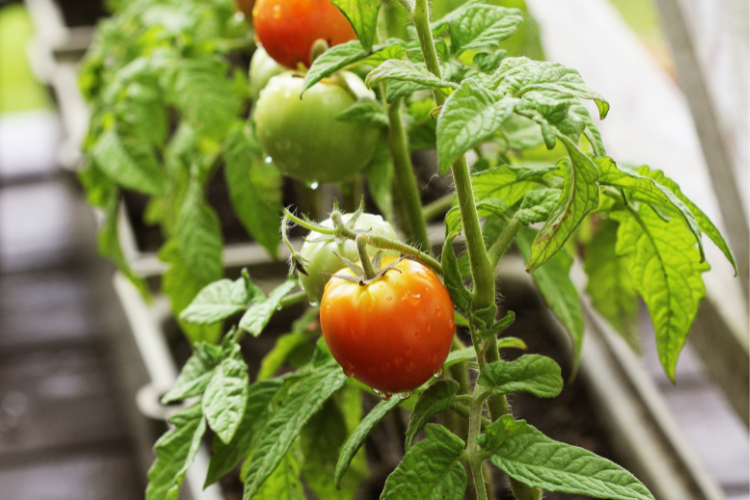
Begin with easy-to-grow plants such as herbs, lettuce, spinach, radishes, and cherry tomatoes. These vegetables and herbs are suitable for beginners and can thrive in containers or small garden spaces.
Consider Climate and Season
Select plants that are suited to your local climate and the current season. Research planting schedules to ensure optimal growth and yield.
Select Containers and Soil
Containers
Choose containers such as pots, planters, raised beds, hanging baskets, or repurposed items like buckets or crates. Ensure containers have proper drainage to prevent waterlogging.
Soil
Use high-quality potting soil rich in organic matter. Avoid garden soil, which may compact and drain poorly in containers. Consider adding compost or organic fertilizers to enrich the soil.
Planting Your Garden
Sowing Seeds vs. Transplants
Decide whether to start from seeds or purchase young plants (transplants). Direct sow seeds for plants like carrots, radishes, and beans. Purchase transplants for vegetables like tomatoes and peppers.
Planting Techniques
Follow instructions for each plant regarding depth and spacing. Water thoroughly after planting and maintain consistent moisture in the soil. Ensure containers are placed in locations with adequate airflow to prevent fungal diseases.
Care and Maintenance
Watering
Keep the soil consistently moist but not waterlogged. Water early in the day to reduce evaporation. Use watering cans with fine spouts or drip irrigation systems for gentle watering.
Fertilizing
Apply organic fertilizers every few weeks to provide essential nutrients for plant growth. Avoid over-fertilizing, as it can lead to nutrient imbalances and damage plants.
Pruning and Training
Regularly remove dead or yellowing leaves to promote new growth and prevent disease. Support vining plants like tomatoes and beans with stakes, trellises, or cages to encourage upward growth.
Pest Management
Use natural methods such as companion planting, beneficial insects, and homemade sprays (e.g., neem oil) to manage pests. Regularly inspect plants for signs of pests or disease and take appropriate action.
Harvesting
Timing
Harvest crops at their peak ripeness for the best flavor and nutritional value. Each plant has specific indicators for when it’s ready to pick. Harvest leafy greens and herbs regularly to encourage continuous growth.
Techniques
Use clean, sharp tools to harvest vegetables and fruits, avoiding damage to the plants. Handle produce gently to prevent bruising and spoilage. Store harvested crops properly to prolong freshness.
Sustainability Practices
Composting
Compost kitchen scraps and garden waste to create nutrient-rich compost for your plants. This reduces waste and enriches the soil, promoting healthy plant growth.
Water Conservation
Collect rainwater in barrels to use for watering your garden. Use mulch to retain soil moisture and reduce the need for frequent watering. Minimize water usage by employing efficient watering techniques.
Recycling and Repurposing
Use recycled containers and materials for your garden. Get creative with repurposing household items as planters, reducing waste and promoting sustainability.
Community and Resources
Local Resources
Connect with local gardening clubs, community gardens, and extension services for advice and resources. Visit farmers’ markets and garden centers for plants, seeds, and tools. Join online forums and social media groups to share experiences and learn from fellow urban gardeners.
