The concept of the bioeconomy is reshaping how we understand the interplay between industries, the environment, and the economy. At its core, the bioeconomy refers to economic activities derived from scientifically-driven innovations and sustainable utilization of biological resources to provide ecological, economic, and social benefits. From agriculture and forestry to biotechnology and bioenergy, the adoption of sustainable resources is not just an environmental imperative but a strategic economic driver. This detailed exploration will dissect how the bioeconomy is transforming various sectors and fostering sustainable growth.
The Foundations of the Bioeconomy
Defining the Bioeconomy
The bioeconomy encompasses the production of renewable biological resources and their conversion into vital products, including food, feed, bio-based products, and bioenergy. Its foundation lies in the use of sustainable, bio-based resources to provide solutions to environmental, social, and economic challenges.
Sustainable Resources as a Pivot
Central to the bioeconomy is the shift from non-renewable resources like petroleum and coal to renewable biological resources. This not only helps reduce dependency on fossil fuels but also mitigates the impact of industries on the environment, promoting sustainability.
Transformative Impact on Industries
Agriculture and Forestry
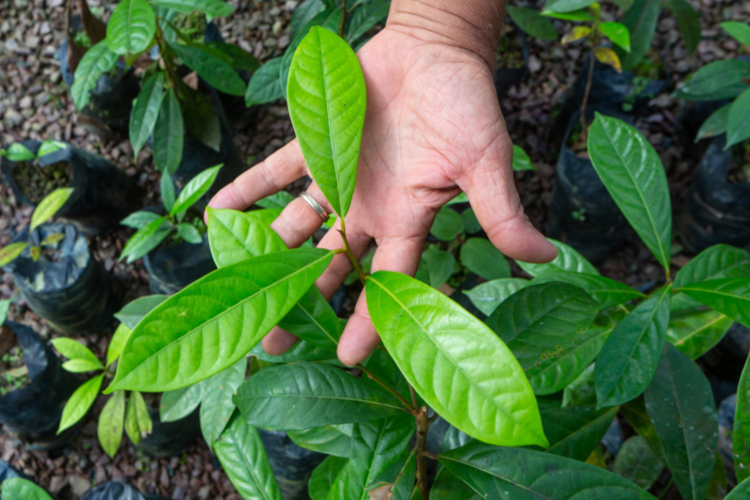
In agriculture, the bioeconomy promotes the use of organic waste materials for producing energy and improving soil health through biofertilizers. Sustainable agricultural practices not only increase crop yields but also reduce chemical inputs and preserve biodiversity. In forestry, sustainable management ensures that forest resources provide not just wood, but also biomass for energy, thus supporting conservation and biodiversity.
Biotechnology
Biotechnology is pivotal in advancing the bioeconomy by developing techniques that enhance the yield and quality of bio-based products. Through genetic engineering, scientists are able to create crops that are more resistant to diseases and pests, require fewer chemical inputs, and have greater nutritional values. In the pharmaceutical sector, biotechnology enables the use of natural substances for drug development, reducing the reliance on synthetic compounds and promoting greener production techniques.
Energy Sector
The bioeconomy is significantly transforming the energy sector through the development of biofuels such as biodiesel and bioethanol, which are derived from agricultural waste and non-food biomass. This not only provides a cleaner energy source but also offers a way to manage waste effectively.
Manufacturing and Materials
Bio-based materials, such as bioplastics and biofibers, are revolutionizing the manufacturing sector. Derived from plants and other renewable resources, these materials are used to create everything from packaging to automotive parts, reducing the environmental footprint of traditional plastics and synthetic materials.
Economic and Social Benefits
Job Creation and Rural Development
The bioeconomy is a potent catalyst for job creation, particularly in rural areas. By harnessing local biological resources, it provides new economic opportunities in farming, processing, and bio-product development. This leads to revitalized rural communities and reduced urban migration.
Innovation and Market Growth
Investment in bioeconomy research sparks innovation, leading to the development of new products and technologies. As markets for these products grow, they drive economic expansion and create diverse business opportunities, establishing new market dynamics focused on sustainability.
Health and Well-being
The bioeconomy’s focus on sustainable production has significant health benefits, from reducing pollution and its associated respiratory diseases to providing more nutritious food options that combat malnutrition and improve overall health.
Challenges and the Path Forward
Scalability and Technological Hurdles
Scaling bio-based technologies and processes to meet global demands remains a challenge. Significant investment in research and development is essential to enhance the efficiency and cost-effectiveness of these technologies.
Policy and Regulation
Effective policies and regulations are critical to foster the growth of the bioeconomy. Governments need to create frameworks that support sustainable practices, incentivize renewable resource use, and facilitate investment in bioeconomic activities.
Public Awareness and Education
Educating the public about the benefits of the bioeconomy is crucial for its expansion. Increased awareness can lead to more informed consumer choices and greater public support for bio-based products and energy.
The bioeconomy is more than just an economic model; it is a transformative force that integrates sustainability with technological innovation to tackle some of the most pressing challenges of our time. By redefining the sources and systems of economic growth, the bioeconomy not only preserves the planet’s vital resources but also offers a pathway to resilient, sustainable development. As industries continue to adapt and governments bolster supportive policies, the bioeconomy promises to reshape our world, making it more sustainable for future generations. This movement is not just about economic gains but about creating a balanced ecosystem that nourishes and sustains life on Earth.
